How to Organize TIG Filler Rods by Alloy in a Welding Shop

A welding shop can accumulate filler metal surprisingly quickly. Carbon steel, stainless, aluminum and low-alloy rods may all be stored in the same building, often in several classifications and diameters. Without a defined system, opened packages and loose rods gradually spread across racks, benches and welding stations.
Organizing TIG filler rods by alloy starts by giving every known material a clear home. The system should be easy enough that a welder can find the correct filler quickly, verify its identity and return unused rods without creating a new mix-up at the end of the shift.
HOW TO ORGANIZE TIG FILLER RODS: START WITH KNOWN MATERIAL
Organization begins before rods reach the rack. Confirm the filler classification from the original package and preserve the information required to identify it later.
Once loose rods lose their identity, a neat storage rack cannot restore that information. Known material and clear labels are the foundation of the entire system.
Separate Major Material Families
A shop that works with carbon steel, stainless steel, aluminum and low-alloy materials should avoid one mixed storage area where loose rods can migrate between packages.
Separate zones, racks or clearly distinguished containers create an immediate physical boundary between material families.
Then Separate Individual Classifications
Broad alloy families are not specific enough for actual filler selection. Stainless steel alone can involve multiple filler classifications, and low-alloy work can require different designated consumables.
Give each classification its own labeled location. If multiple diameters are frequently used, separate or clearly identify those as well.
Preserve Labels and Traceability
Keep the manufacturer identification and any required lot or batch information associated with the rods. Project specifications or company quality systems may require more control than a general-purpose shop.
A reusable container should therefore have a reliable labeling method. Never assume that a permanent container means the contents will always remain the same.
Use Color as a Secondary Layer
Color-coded containers can make a storage rack faster to scan. The color can represent a family, a frequently used classification or another shop-defined category.
Whatever system is chosen, written classification remains the final confirmation. This prevents a color convention from becoming a source of false confidence.
Create a Return-to-Storage Rule
Organization often breaks down at the end of the shift. Loose rods are left on benches or pushed into the nearest open package because the correct return process is inconvenient.
Make returning filler metal simple. Known, clean rods go back to their designated container. Questionable or unidentified rods stay separate until handled according to the shop’s material-control practice.
Keep the Storage Area Clean
Even a well-labeled system loses value if the rack is beside grinding debris, oily tools or general scrap. Dedicated filler-metal storage should be kept away from obvious contamination sources.
Closed containers add protection, but basic housekeeping still matters. Storage is a system, not a single product.
Using TIGSleeve in an Alloy Organization System
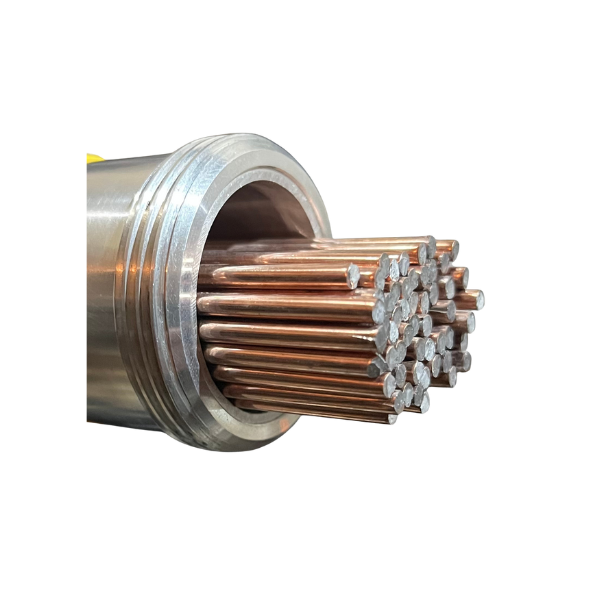
TIGSleeve gives each selected filler metal a reusable aluminum container that can be labeled and visually color coded. The same tube can move from a shop rack to a truck or work area while keeping the designated rods together.
That portability can help maintain the same organization method beyond the storage room, where mix-ups and exposure often become more likely.
Frequently Asked Questions
Should different TIG filler classifications share the same container?
As a general organization practice, keep different filler classifications separated and clearly identified. Follow any stricter material-control requirements that apply to the job.
Can color coding replace the filler-metal label?
No. Color is a useful visual organization aid, but the actual filler classification and any required traceability information should remain clearly identified.
Does a reusable storage tube replace manufacturer instructions?
No. A storage tube provides physical organization and protection. Manufacturer recommendations, project specifications and company quality procedures still apply.
What matters most when organize tig filler rods by alloy in a welding shop?
Consistency. Known material, clear identification, clean handling, physical separation and a reliable return-to-storage routine work together as a system.
The Bottom Line
A well-organized filler-metal area should make uncertainty obvious. Known rods have a labeled location, different classifications remain separated, and unidentified material does not quietly find its way back into controlled stock.
Once that shop system is established, portable labeled containers can extend the same organization into welding trucks and field work instead of allowing the process to fall apart as soon as rods leave the rack.


Comments