How to Store TIG Filler Rods: A Practical Guide to Cleaner, Organized Storage

TIG welding puts a lot of attention on cleanliness, preparation and control, but filler rod storage is sometimes treated as an afterthought. A bundle may arrive clean and clearly identified, then spend days or weeks in a shop, gang box, welding truck or job-site storage area where rods can become mixed, handled repeatedly or exposed to dust and moisture. A simple storage routine helps keep filler metal organized and easier to identify when it is needed.
Good TIG filler rod storage is not about making the shop look perfect. It is about creating a repeatable system: keep rods clean, keep classifications separated, preserve identification, protect them during transport and return unused rods to the correct container. Those habits become increasingly important when several alloys and diameters are being used on the same project.
Why TIG Filler Rod Storage Matters
Filler rod becomes part of the finished weld, so the condition and identity of the material matter. Even when a rod still looks usable, poor storage can create avoidable uncertainty. Was it handled with dirty gloves? Was it placed on a workbench covered with grinding dust? Is it definitely the alloy written on the nearby package? Has it been mixed with a similar-looking rod?
A well-organized storage system reduces those questions. It gives every filler-metal classification a defined place and makes it easier for the welder to maintain the same standard from the original package to the work area and back again. Storage should support the manufacturer’s instructions and the project’s quality requirements rather than replace them.
The Biggest Storage Problem Is Often Loss of Identification
Many TIG filler rods look very similar once they are removed from their original packaging. Stainless classifications can resemble one another, and different carbon or low-alloy steel fillers may not be visually distinguishable. That makes identification just as important as physical protection.
The safest practical habit is to keep different classifications separated and maintain a clear label that identifies what is inside each container. Do not depend on memory, rod appearance or color alone. Color coding can make a system faster to read, but the actual filler-metal classification should still be clearly identified.
Keep one clearly identified filler-metal classification in each designated container.
Retain the original manufacturer label, lot information or required traceability information when the job requires it.
Avoid returning unidentified loose rods to a known bundle.
Keep different diameters separated when that makes identification or workflow clearer.
Use color as a visual organization aid, not as a substitute for the actual filler-metal designation.
Common Sources of Filler Rod Contamination
Filler rods can move through several environments before reaching the weld. They may be handled during receiving, stored in an open package, carried to a work area, placed on a bench and returned after a shift. Every extra handling step is another opportunity for dirt or foreign material to reach the rod surface.
Typical shop and field contaminants include grinding dust, metal particles, dirt, oil and residue transferred from gloves or work surfaces. The goal of storage is therefore not simply to put rods somewhere when they are not being used. The container should help separate clean filler metal from the general work environment and reduce unnecessary handling.
Moisture and Environmental Exposure
Job sites are rarely controlled environments. Filler metal may travel between a heated tool crib, a cold truck, an outdoor work area and a fabrication shop. Open packages can also be exposed to humidity, rain splash, condensation and general airborne contamination.
A closed reusable container provides a practical physical barrier during normal storage and transport. That does not mean every filler metal has identical storage requirements, and a sealed tube should never be treated as a replacement for manufacturer recommendations or a project-specific filler-metal control procedure. The useful principle is simple: limit unnecessary environmental exposure and keep stored rods protected between uses.
Separate TIG Filler Rods by Alloy and Classification
A professional storage system becomes especially useful when a welder works with several filler metals. Carbon steel, stainless steel, aluminum and low-alloy fillers can all be present in the same shop. Within those families there may be multiple classifications that should never be casually mixed.
For example, a stainless job may involve different filler classifications for different joints or materials. A low-alloy project may require another designated filler altogether. Keeping each classification in its own labeled container creates a simple physical boundary. The welder does not have to sort through loose rods or rely on appearance to decide what belongs where.
Color Coding Makes a Storage System Faster to Read
Color coding can add a useful second layer of organization. When several rod containers are stored together, a visible color can help a welder quickly recognize which container to check before reading its label. This can be particularly convenient in a welding truck, tool crib or busy fabrication area.
The important distinction is that color coding is an organizational convention, not the filler-metal identity itself. A shop can create its own consistent color system, but the container should still carry the proper classification or other required identification. Used this way, color improves speed without sacrificing clarity.
Shop Storage and Field Storage Have Different Demands
A fabrication shop usually offers racks, benches and dedicated storage areas. Field work is different. Rods may need to travel through a plant, up scaffolding, between work fronts or inside a welding truck. Packaging that works well on a stationary shelf may become inconvenient once it is repeatedly transported.
For field use, durability and portability become more important. A reusable tube can keep rods together while reducing direct contact with the surrounding work area. A carrying strap or other practical transport feature can also help keep the container with the welder instead of encouraging loose rods to be carried separately.
What to Look for in a TIG Rod Storage Tube
The best storage solution depends on the work, but several features are useful across many TIG applications. The container should be durable enough for repeated use, easy to identify, convenient to open and close, and appropriate for the length and quantity of filler rods being stored.
A rigid body that protects rods during normal handling and transport.
A secure closure that helps isolate the contents from the surrounding environment.
Clear labeling space for filler classification and other required information.
Easy visual identification when several containers are stored together.
A reusable design that can move between the shop, truck and work area.
Enough internal space for the required rods without creating an unnecessarily bulky container.
Build a Simple Filler Rod Storage Routine
The container is only one part of the system. Consistency is what makes storage effective. A good routine begins when filler metal is received and continues until the remaining rods are returned to storage.
Before moving rods into a reusable container, confirm the classification and preserve the information needed to identify them. Label the container before different fillers are introduced into the work area. During the job, keep the container closed when rods are not being removed or returned. At the end of the shift, avoid mixing questionable or unidentified rods back into a known supply.
This routine is simple enough to become a habit, which is exactly the point. The easier the storage system is to follow, the more likely it is to be used consistently.
Where TIGSleeve Fits Into the System
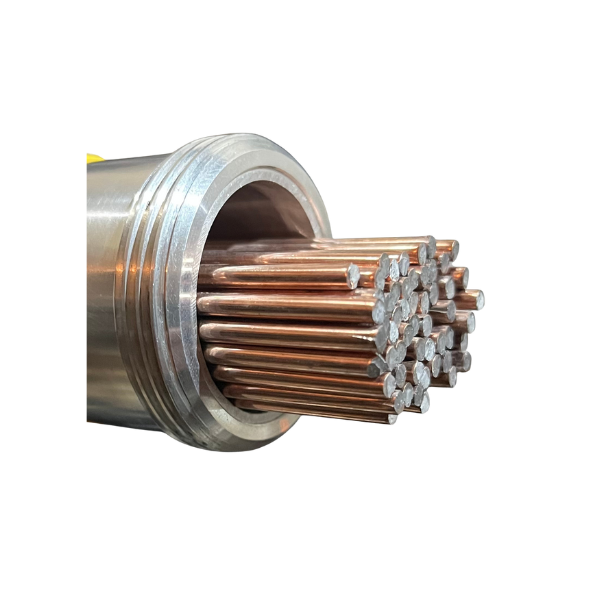
TIGSleeve was developed around this practical storage problem: TIG filler rods need a dedicated place that is durable, portable and easy to organize. The TIGSleeve system uses a reusable aluminum tube, a sealing closure, color-coded exterior identification and a carrying strap to create a storage option designed for TIG filler rods in both shop and field environments.
Its purpose is not to replace filler-metal specifications, manufacturer instructions or a company quality-control program. It is a physical organization tool that can support those practices by giving designated rods a clearly identifiable container and helping protect them during everyday storage and transport.
Frequently Asked Questions About TIG Filler Rod Storage
Should different TIG filler rods be stored together?
As a general organization practice, different filler-metal classifications are better kept separated and clearly identified. This reduces the chance of mix-ups and makes the storage system easier to control.
Is color coding enough to identify filler metal?
No. Color coding is useful as a quick visual reference, but the actual filler-metal classification should remain clearly identified. Follow any additional identification or traceability requirements that apply to the work.
Why use a reusable TIG rod storage tube?
A reusable tube can provide a dedicated place for rods, reduce exposure to the general shop or job-site environment, simplify transport and make it easier to organize multiple filler classifications.
Does a sealed rod tube replace manufacturer storage instructions?
No. A storage tube is an organizational and protective container. Manufacturer recommendations, project specifications and applicable quality procedures should still be followed.
What should I do with a rod if I am no longer sure what classification it is?
Do not guess based on appearance. Keep unidentified material separate from clearly identified filler metal and follow the identification or material-control procedure used for the job.
The Bottom Line
Good TIG filler rod storage is built around four basic ideas: cleanliness, separation, identification and protection. Expensive equipment is not what makes the system professional. A professional system is one that a welder can understand quickly and follow consistently, whether the rods are sitting in a fabrication shop or moving through an industrial job site.
Keep classifications separated, label them clearly, reduce unnecessary handling, protect rods between uses and maintain any traceability required by the work. A dedicated reusable storage tube can make those habits easier to maintain while keeping filler metal organized and ready for the next job.


Comments